
By Shannon Power, 22nd October 2026
Between 2026 and 2030, the European Union will be rolling out its new Digital Product Passport (DPP) under the Ecodesign for Sustainable Products Regulation (ESPR). The DPP will be a standardised digital record that stores and shares information about a product’s entire lifecycle, including its material composition, origin, repairability, and carbon footprint.
The initiative forms part of the EU’s broader effort to support a circular economy, improve supply chain transparency, and help consumers and businesses make more sustainable choices.
Who Will Be Affected?
The Digital Product Passport will impact a wide range of economic operators, including:
- Manufacturers
- Importers
- Distributors
- Retailers
- Repair providers
- Recyclers
Businesses operating within these sectors will need to ensure that the required product information is collected, maintained, and made available in the prescribed format.
The Digital Product Passport Roll-Out
The DPP will be introduced progressively across selected product groups. Initial sectors include certain types of batteries, with additional product groups expected to follow, including textiles, iron and steel, aluminium, tyres, furniture, and construction products.
Time Period |
Implementation |
July 2026 |
DPP Registry framework established |
20th July 2026 |
DPP Registry becomes operational |
November 2026 |
Implementing decisions on the remaining two DPP standards |
Q4 2026 |
Sector-specific DPP requirements for iron and steel and Implementing Act for battery access rights |
18 February 2027 |
DPP mandatory for certain types of batteries |
Q2 2027 |
DPP requirements for construction products and service providers |
Q3 2027 |
DPP requirements for service providers |
Q3-Q4 2027 |
Sector-specific DPP requirements for textiles, aluminium, and tires |
2028 |
Sector-specific DPP requirements for furniture |
2029 |
Sector-specific DPP requirements for mattresses and recycled content |
The Benefits of the Digital Product Passport
The DPP will help businesses, consumers, repairers, recyclers, and public authorities access reliable product information in a more transparent and standardised digital system.
By improving the sharing and accessibility of product information, the DPP offers several benefits, including:
- Traceability and transparency across value chains
- Access to information about product sustainability
- Support for and enabling of sustainable, circular business models
- Improved accessibility and interoperability of product data across regulatory frameworks
- Better enforcement against non-compliant goods
- Protection of human health, safety, and the environment
How Does the DPP Work?
The DPP is designed to support the EU’s goal to strengthen sustainable competitiveness and move towards a more circular economy.
By improving access to product information, the DPP helps extend product lifecycles, promote more efficient resource use, and increase transparency across supply chains.
Step 1- Product information is gathered
Economic operators gather the relevant product information required under the applicable EU legislation.
Step 2 – The DPP is created and registered
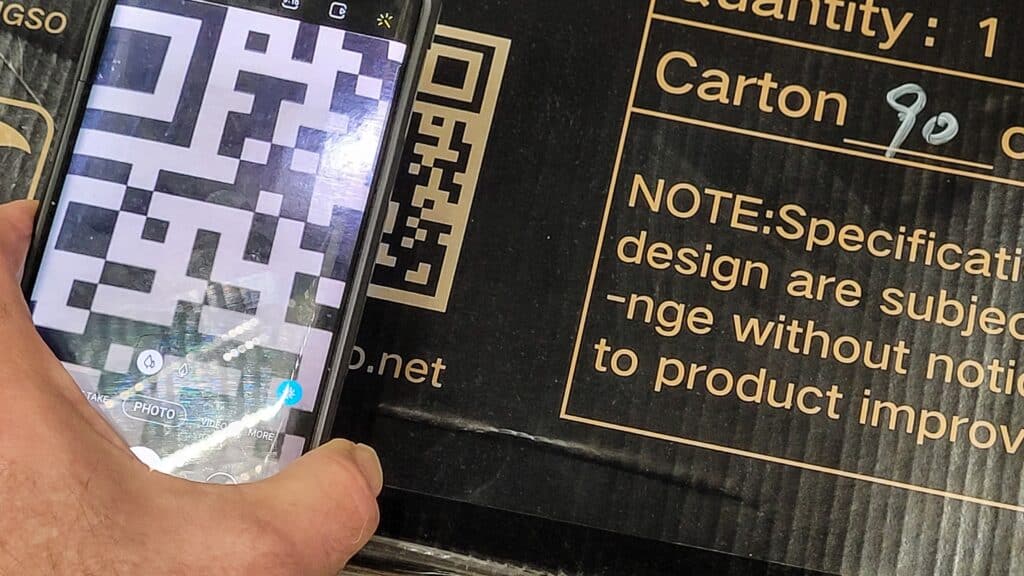
The DPP is created and registered in the Registry, while the complete product information is stored by the economic operator or a DPP service provider, together with the required DPP registration metadata. A digital data carrier, such as a QR code, links the physical product to its DPP.
Step 3- Registry generates a Unique Registration Identifier (URI)
Once the product is registered, the Registry generates a unique URI for the DPP. For imported products, this can be checked at customs. Products manufactured in the EU must also be registered before they are placed on the market.
Step 4 – Information is accessed according to user roles
By scanning the data carrier, different users can access the DPP information relevant to them. Access rights are managed in accordance with applicable EU legislation.
Step 5 – The DPP supports transparency and compliance
Consumers can access key product information to support informed purchasing decisions, repairers and recyclers can retrieve information relevant to their activities, and public authorities can verify compliance and support market surveillance.
Preparing for the Future
The Digital Product Passport represents a significant shift in how product information is managed and shared across the EU. While implementation will be phased in over several years, businesses operating in affected sectors should begin familiarising themselves with the requirements now. Early preparation can help organisations improve compliance, enhance transparency, and position themselves for a more sustainable and circular economy.
If you have any questions regarding the Digital Product Passport and how it may affect your business, please do not hesitate to contact our team of experts here.
Disclaimer: This article is for guidance purposes only. It does not constitute legal or professional advice. No liability is accepted by Company Bureau for any action taken or not taken in reliance on the information set out in this article. Professional or legal advice should be obtained before taking or refraining from any action as a result of this article. Any and all information is subject to change.
